
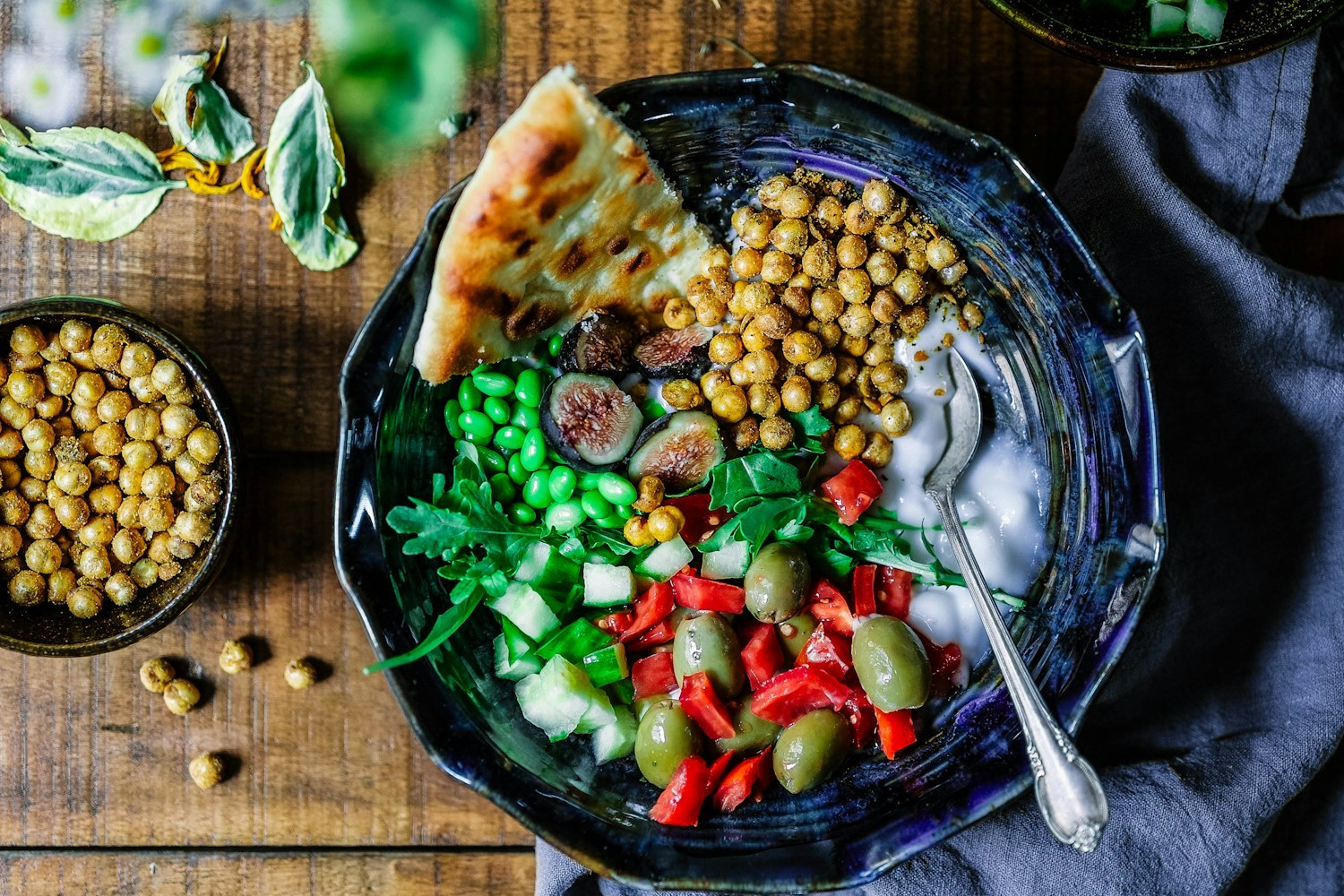

This Everyday Chickpea Habit Can Completely Transform How Your Body Feels
For a long time, chickpeas have been quietly sitting on supermarket shelves, often ignored in favor of flashier superfoods. Yet both modern science and traditional dietary practices point to the same conclusion: eating chickpeas regularly can lead to meaningful changes throughout your body. What appears to be a simple legume may actually be one of the most impactful foods you can include in your daily meals. Learning what truly happens when chickpeas become a consistent part of your diet can shift how you view nutrition, health, and long-term well-being. This is not exaggeration or hype. It is about real, measurable responses inside your body when chickpeas are eaten day after day.
Why Chickpeas Deserve a Second Look
Chickpeas, commonly known as garbanzo beans, have been consumed for thousands of years in Middle Eastern, Mediterranean, South Asian, and African cuisines. They form the foundation of dishes such as hummus, falafel, curries, and slow-cooked stews. Despite this long history, many modern eating patterns overlook them, even though chickpeas provide a rare balance of plant protein, complex carbohydrates, fiber, vitamins, and essential minerals.
Adding chickpeas to your daily routine is not just about variety. It means introducing a nutrient-dense food that interacts with several systems in your body at once. Digestion, cardiovascular health, blood sugar control, and even mental clarity can all be influenced by this single ingredient, often in ways people do not expect.
What Happens Inside Your Body When You Eat Chickpeas Every Day
Improved Digestive Function
One of the earliest changes people often notice when they eat chickpeas regularly is better digestion. Chickpeas are rich in dietary fiber, especially soluble fiber, which nourishes beneficial gut bacteria. These microorganisms play a key role in digestion, nutrient absorption, immune defense, and overall gut balance.
With steady fiber intake from chickpeas, bowel movements often become more regular, and constipation may decrease. After an initial adjustment period, bloating and discomfort can also improve. Some gas may occur when chickpeas are first introduced, which is a normal response. Proper soaking and thorough cooking, such as soaking overnight or using a heat-soak method, greatly reduces this issue.
More Stable Blood Sugar Levels
Eating chickpeas every day can support healthier blood sugar regulation. Chickpeas have a low glycemic index, meaning they raise blood sugar gradually rather than causing sharp spikes.
The fiber and protein in chickpeas slow glucose absorption, helping maintain steady energy throughout the day. Many people experience fewer cravings, improved focus, and fewer energy crashes. Over time, this balanced response can reduce the risk of developing type 2 diabetes and support metabolic health.
Stronger Heart Health
Heart disease remains one of the leading causes of death worldwide, and diet plays a major role in prevention. Chickpeas contribute to heart health in several ways.
Their soluble fiber helps reduce LDL cholesterol, often called bad cholesterol. Chickpeas also contain potassium and magnesium, minerals that help regulate blood pressure. Replacing some animal-based proteins with chickpeas may reduce saturated fat intake, further lowering cardiovascular risk.
Support for Healthy Weight Management
One of the most overlooked benefits of eating chickpeas daily is their role in appetite control. Chickpeas are filling due to their high fiber and protein content, helping you feel satisfied for longer periods.
This sense of fullness can naturally reduce overeating and snacking on processed foods. Research consistently shows that people who eat legumes regularly tend to have healthier body weights and smaller waist circumferences.
Plant-Based Protein for Muscle Health
Chickpeas are a valuable source of plant-based protein, especially for people reducing meat consumption. Protein supports muscle maintenance, tissue repair, and hormone production.
When chickpeas are eaten daily alongside other plant proteins and physical activity, they help support muscle strength and recovery while also providing fiber and essential nutrients that many protein sources lack.
Essential Vitamins and Minerals
Chickpeas are rich in iron, folate, zinc, phosphorus, and B vitamins. Folate supports cell growth and is especially important during pregnancy. Iron helps prevent fatigue by supporting oxygen transport in the blood.
Zinc and magnesium contribute to immune function, nerve signaling, and overall resilience. Consistent chickpea intake helps supply these nutrients in a natural, food-based form.
Reduced Inflammation
Chronic inflammation is linked to many modern diseases. Chickpeas contain antioxidants and phytonutrients that may help reduce inflammatory processes in the body.
By improving gut health, stabilizing blood sugar, and providing anti-inflammatory compounds, chickpeas support a more balanced internal environment over time.
Mental and Cognitive Benefits
Nutrition strongly influences brain health. Chickpeas provide magnesium, B vitamins, and tryptophan, which support neurotransmitter production and nervous system function.
Stable blood sugar levels also help reduce mood swings and mental fatigue. While chickpeas are not a medical treatment, regular consumption may support better focus, emotional stability, and cognitive performance.
How to Prepare Chickpeas for Maximum Benefits
Proper Soaking and Cooking
Dried chickpeas should be soaked before cooking to improve digestibility and reduce gas-causing compounds. Soaking overnight or using a heat-soak method works well.
After soaking, chickpeas should be rinsed and cooked until soft. This improves nutrient absorption and overall comfort.
Using Canned Chickpeas
Canned chickpeas are convenient and nutritious. Rinsing them thoroughly before use helps remove excess sodium and improves their nutritional quality.
Who Should Be Cautious
Most people tolerate chickpeas well, but those with sensitive digestion should introduce them gradually. Individuals with legume allergies should avoid them entirely. As with any dietary change, moderation and awareness are important.
Expert Insight
A registered nurse and experienced health writer with decades of clinical experience emphasizes that long-term health improvements come from consistent habits rather than quick fixes. According to her experience, simple foods like chickpeas often provide more lasting benefits than supplements or extreme diets when eaten regularly.
Why Understanding Food Choices Matters
Knowing how everyday foods affect your body gives you control over your health. Chickpeas are not a miracle cure, but they clearly demonstrate how small, consistent dietary choices can lead to meaningful improvements over time.
Conclusion
Eating chickpeas every day can support digestion, balance blood sugar, protect heart health, promote satiety, and contribute to long-term wellness. With proper preparation and mindful inclusion in meals, chickpeas can become a powerful and reliable part of a healthy diet.
By staying informed and choosing foods that truly nourish your body, you create the foundation for a healthier, more energized life. Chickpeas may seem simple, but their impact can be surprisingly profound.