
Avoid These Muffin Baking Mistakes (So Yours Don’t Turn Out Like Mine 😅)
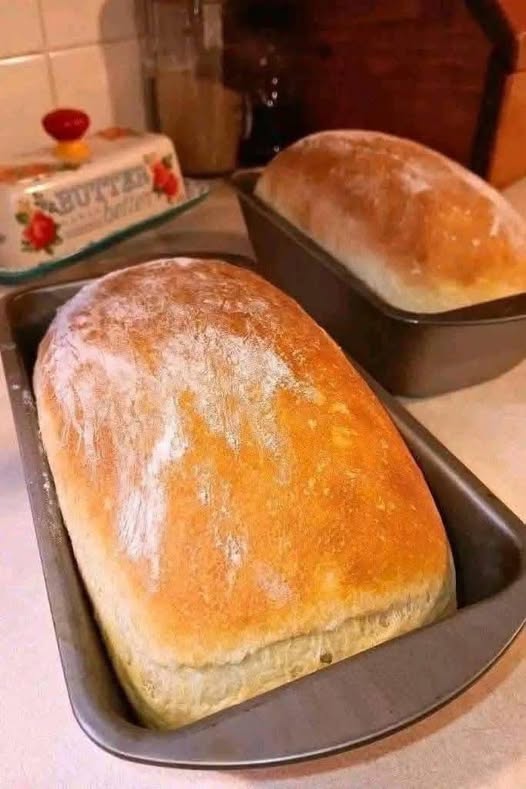
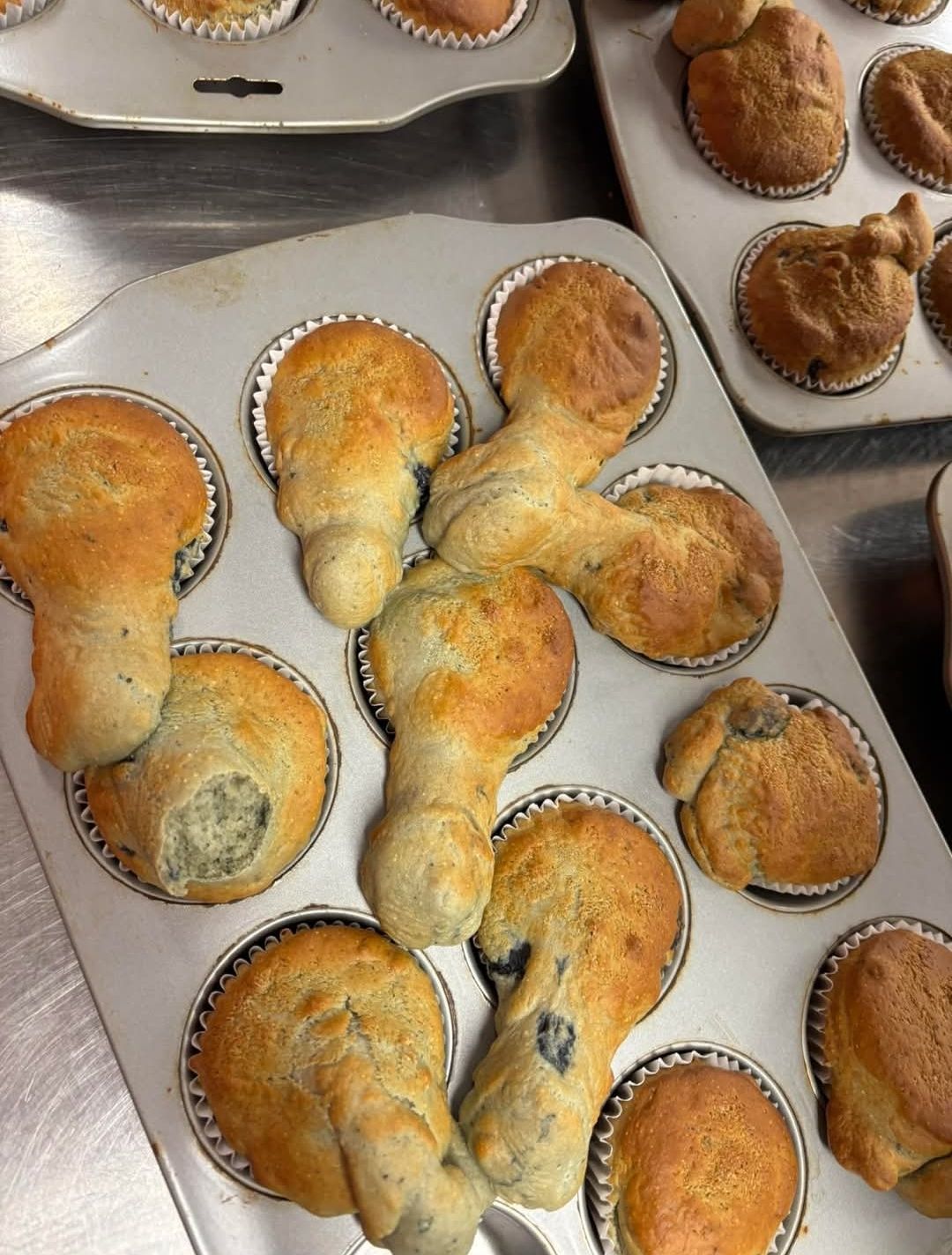
I wanted soft, fluffy, bakery-style muffins. What I got instead looked more like muffin-bread hybrids trying to escape the pan. If you’ve ever followed a recipe and still ended up with muffins that overflowed, stretched, or baked into strange shapes, trust me—you’re not alone.
The good news is this kind of muffin fail is very common, especially for home bakers. The even better news? It’s easy to fix once you understand what went wrong. Let’s break down the most common muffin mistakes and how to avoid them so your next batch comes out just right.
Overfilling the Muffin Cups
One of the biggest reasons muffins spill over and lose their shape is simply too much batter. Muffin cups should usually be filled about two-thirds full. When they’re overfilled, the batter has nowhere to go as it rises, so it stretches, leans, or spills over the edges.
To fix this, use an ice cream scoop or measuring cup so each muffin gets the same amount of batter. Even distribution makes a huge difference.
Batter That’s Too Thick or Elastic
Muffin batter should be thick but spoonable. If it’s very stiff or stretchy, it behaves more like bread dough than cake batter. This can happen when there’s too much flour or when the batter is mixed too aggressively.
To avoid this, measure flour correctly by spooning it into the measuring cup and leveling it off. Also, mix gently—just until the dry ingredients disappear. Overmixing activates gluten, which changes the texture completely.
Too Much Baking Powder or Yeast
Using too much leavening agent can cause muffins to rise too fast and collapse or spread in odd directions. Muffins rely on baking powder or baking soda, not yeast. Even a small measuring error can affect the final shape.
Always follow the recipe exactly and level your measuring spoons. More leavening does not mean fluffier muffins—it often means messy ones.
Oven Temperature Too High
A hot oven can cause the outside of the muffin to set too quickly while the inside keeps expanding. This pressure pushes the batter upward and sideways, creating cracked tops or strange shapes.
For most muffins, an oven temperature between 175°C and 190°C works best. Make sure your oven is fully preheated and, if possible, use an oven thermometer to check accuracy.
Wrong Pan or Cup Size
Using small muffin liners in a standard pan or uneven pans can lead to uneven baking and overflow. Thin or old pans can also heat unevenly, affecting how the muffins rise.
Choose good-quality muffin pans and standard paper liners. Consistency in size helps your muffins bake evenly and keep their shape.
Skipping the Cooling Step
Muffins continue to set after coming out of the oven. Removing them too early or handling them while very hot can make them collapse or tear.
Let muffins cool in the pan for a few minutes before transferring them to a wire rack. This small step improves both shape and texture.
What to Remember for Perfect Muffins
Great muffins don’t come from perfection—they come from understanding a few simple rules. Measure carefully, mix gently, don’t overfill, and trust the process. Even when muffins don’t look perfect, they’re often still delicious.
And honestly? Baking fails like this are part of the fun. Every batch teaches you something new, and the next one is always better.
If you want more beginner-friendly baking tips and foolproof recipes, keep exploring YumPost—where real cooking (and real mistakes) are always welcome.