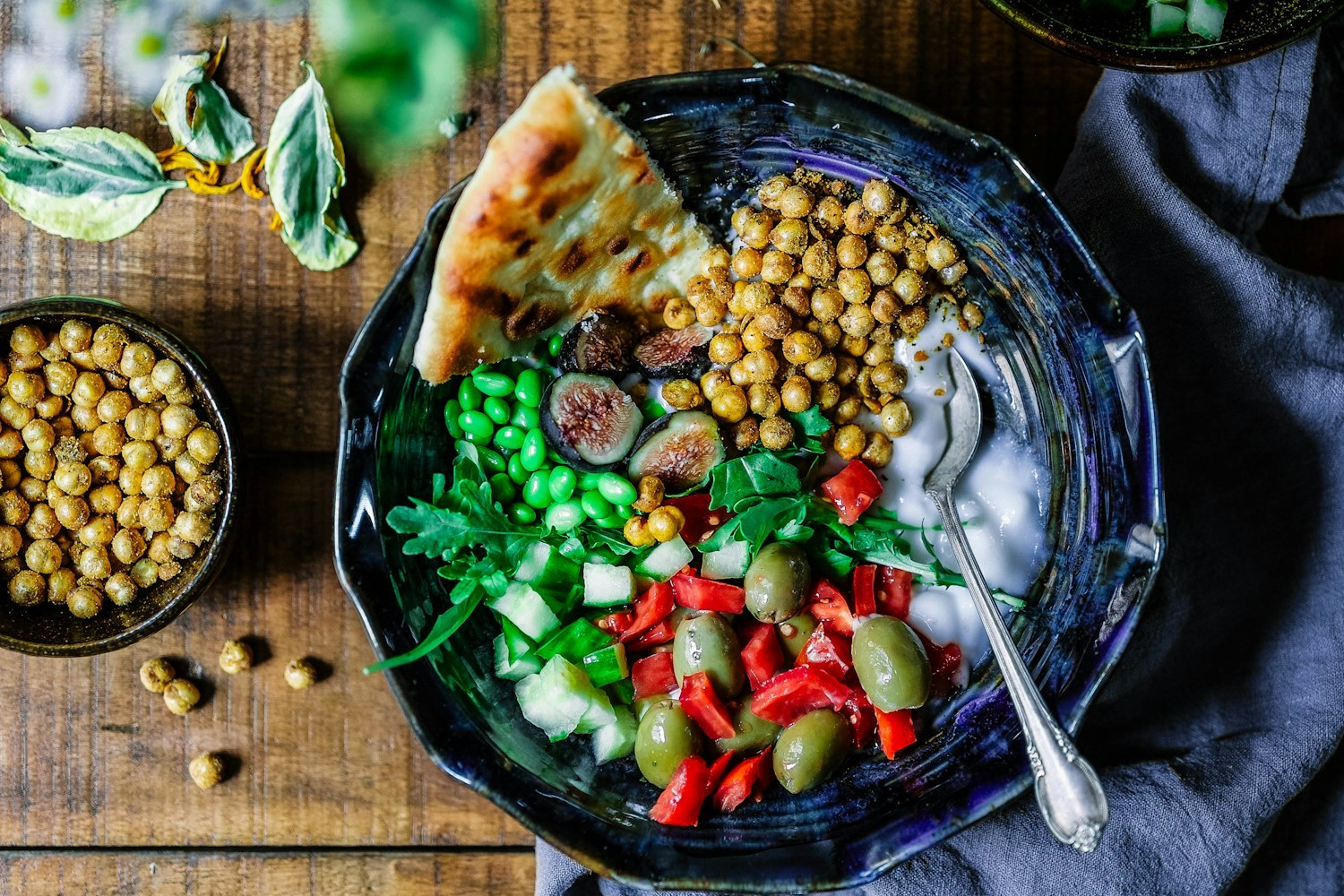

Comprehensive Guide: Tips for a Balanced and Sustainable Diet
Introduction
A balanced diet is the cornerstone of good physical and mental health. It is not limited to simply consuming food, but also encompasses habits, choices, and how we interact with our meals. This guide aims to provide practical tips based on solid nutritional principles to help you adopt a healthy and sustainable eating regimen.
- Fundamentals of Healthy Eating
1.1. The Importance of Breakfast
Breakfast is often considered the most important meal of the day. To avoid insulin spikes and maintain stable energy throughout the morning, it is recommended to prioritize a savory breakfast rich in protein. Proteins promote the production of dopamine, a neurotransmitter that stimulates alertness and motivation, while providing a lasting feeling of satiety. Eggs, fresh cheese, oilseeds, or unsweetened whole grains are excellent options [1].
1.2. The Richness of Fruits and Vegetables
Fruits and vegetables are essential for their fiber, vitamin, mineral, and antioxidant content. A daily consumption of 800g to 1kg, divided into 2 to 3 portions of vegetables and 2 to 3 fruits, is ideal. It is advisable to vary the types and colors as much as possible to benefit from a wide range of nutrients. Fibers play a crucial role in satiety, blood sugar regulation, and intestinal health. It is important to note that fruit juices, even fresh ones, lose a large part of their fibers and have a higher glycemic index than whole fruits [1].
1.3. Distinguishing Good and Bad Fats
Contrary to popular belief, not all fats should be banned. “Good fats” are vital for brain development, vision, and reducing cardiovascular risks. It is crucial to prioritize Omega-3s, found in fatty fish (salmon, mackerel), flaxseed, rapeseed, and walnut oils, as well as chia or flax seeds. Omega-9s, abundant in olive oil and avocado, are also beneficial. However, excessive consumption of saturated fats and Omega-6s, often found in animal and processed products, should be limited [1].
1.4. The Importance of Hydration
Water is essential for the proper functioning of the body. It is recommended to drink regularly throughout the day, favoring water, tea, or unsweetened coffee. Sugary drinks and fruit juices should be consumed in moderation due to their high sugar content and low fiber intake [1].
- Eating Behavior and Mindfulness
2.1. Chewing: An Essential Gesture
Chewing is often overlooked, but it plays a fundamental role in digestion and the feeling of satiety. Taking the time to chew properly allows the brain to receive satiety signals, usually after about 20 minutes, which helps regulate the amount of food consumed and prevent overeating [1].
2.2. Mindful Eating
In our often hectic daily lives, meals are sometimes eaten quickly and in front of screens. Adopting a mindful approach to meals involves fully concentrating on the act of eating, savoring each bite, and being attentive to the body’s hunger and satiety signals. This practice promotes better digestion, reduces cravings, and helps develop a preference for healthier foods [1].
2.3. The Conviviality of Meals
Eating is also a social act. Sharing meals with family, friends, or colleagues contributes to a healthier and more balanced relationship with food. Conviviality around the table can transform mealtime into a moment of pleasure and exchange, away from stress and haste [2].
- Tips for Sustainable Weight Loss
For those aiming for weight loss, the approach should be sustainable and focused on habit changes rather than drastic restrictions. Here are some key tips:
3.1. Favoring Low-Energy-Density Foods
Low-energy-density foods are those that provide few calories for a large volume. Vegetables, fruits, and broths are perfect examples. They allow you to feel full without consuming an excess of calories, which is essential for a controlled caloric deficit and effective weight loss [3].
3.2. The Importance of Protein
Proteins are essential macronutrients, particularly important during weight loss. They contribute to the preservation of muscle mass, increase the feeling of satiety, and require more energy to digest, which promotes caloric expenditure. Integrating a source of lean protein into each meal is an effective strategy [3].
3.3. Choosing the Right Carbohydrates
Prioritize complex carbohydrates with a low glycemic index (GI), such as whole grains (whole wheat bread, brown rice, whole wheat pasta), legumes, and certain vegetables. These foods release their energy gradually, avoiding blood sugar spikes and cravings. They are also rich in fiber, which enhances satiety [1].
3.4. Meal Organization and Planning
Meal planning, or batch cooking, is a valuable tip for maintaining a balanced diet. It helps avoid impulsive, often less healthy choices, and ensures that nutritious meals are readily available. Preparing meals in advance also helps control portions and ingredients [4].
- Limits to Respect for Optimal Health
4.1. Reducing Salt
Although salt is essential for the proper functioning of the body, excessive consumption can lead to health problems, particularly cardiovascular ones. It is advisable to limit the addition of salt to dishes and to pay attention to the salt content of processed products, which are often rich in it [1].
4.2. Moderating Sugar and Ultra-Processed Products
Added sugars and ultra-processed products are often poor in essential nutrients and rich in empty calories. Their excessive consumption is linked to numerous health problems, such as obesity, type 2 diabetes, and cardiovascular diseases. Prioritizing whole foods and cooking more at home allows for better control of sugar intake [1].
4.3. Alcohol Consumption
Alcohol provides calories without nutritional value, and its excessive consumption is harmful to health. It is recommended to consume it in moderation, or even avoid it, to maintain a healthy diet [2].
Conclusion
Adopting a balanced diet is a journey, not a destination. It involves integrating healthy habits progressively and sustainably, by listening to your body and enjoying your food. By prioritizing fresh, unprocessed foods, being attentive to your sensations, and planning your meals, everyone can build a diet that supports their health and well-being in the long term.
References
[1] Yuka. (2026, January 12). The 10 keys to a healthy diet. https://yuka.io/10-cles-alimentation-saine/
[2] ameli.fr. (n.d.). Adult diet: balanced meals throughout the week. https://www.ameli.fr/assure/sante/themes/alimentation/alimentation-adulte/alimentation-adulte-equilibre-repas
[3] ÉquipeNutrition. (2025, March 7). Weight loss: 4 keys to lasting results. https://equipenutrition.ca/blog-nutritionniste-dietetiste/perte-de-poids-4-cles-pour-des-resultats-durables
[4] Aroma-Zone. (2025, September 25). Weight loss food program: basics and tips. https://www.aroma-zone.com/page/programme-alimentaire-perte-de-poids-une-methode-douce-et-durable